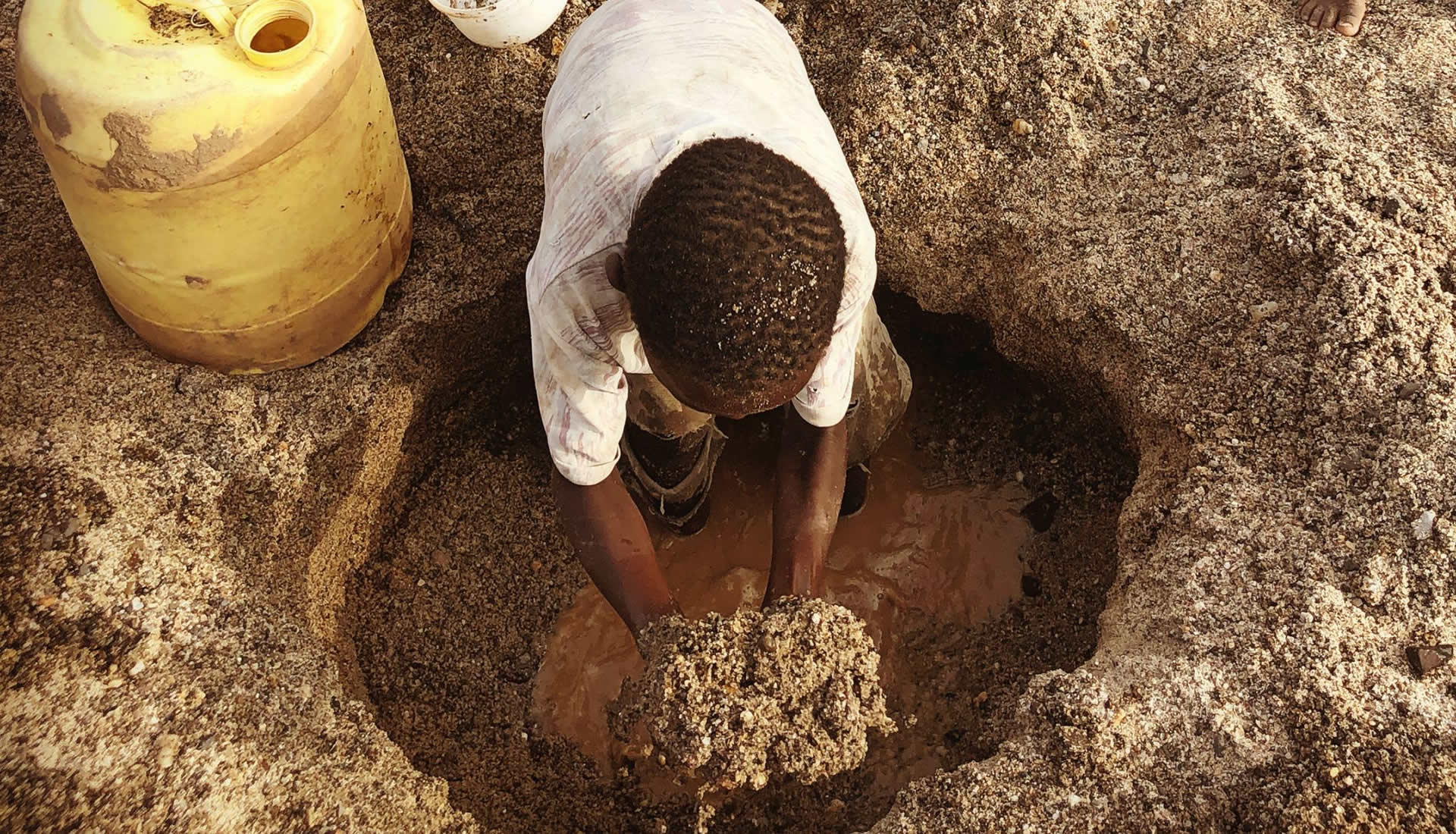
Our approach at Tatu Foundation on this agenda, includes; Building a clean water system for the rural and urban poor with a multi-faceted approach including infrastructure development (e.g., wells, rainwater harvesting, treatment facilities), community engagement and training, hygiene education, and a focus on long-term sustainability through local management. Key steps include conducting a needs assessment, implementing context-appropriate technology, training locals to operate and maintain the system, and establishing monitoring and evaluation frameworks.
Needs assessment:
We begin with a comprehensive assessment to understand the specific needs of the community, evaluate existing water sources, and build trust by involving community leaders and members from the start.
Infrastructure development:
We design and implement solutions tailored to the local context, which may include drilling boreholes, constructing wells, or setting up rainwater harvesting systems.
Appropriate technology:
We research and choose technologies suitable for rural settings, such as point-of-use filters, UV purification, or solar-powered pumps.
Hygiene and sanitation education:
We conduct programs to educate the community on the importance of handwashing, proper water storage, and sanitation practices.
Community training and capacity building:
We train local residents and community members to operate, maintain, and manage the new water systems to ensure long-term sustainability and local ownership.
Sustainability and monitoring:
We establish a robust framework for monitoring water quality and system functionality. This will help assess the project's impact and make necessary adjustments over time.
Budgeting and resource allocation:
We develop a detailed and transparent budget that includes all project costs, from materials and labor to training and ongoing maintenance.