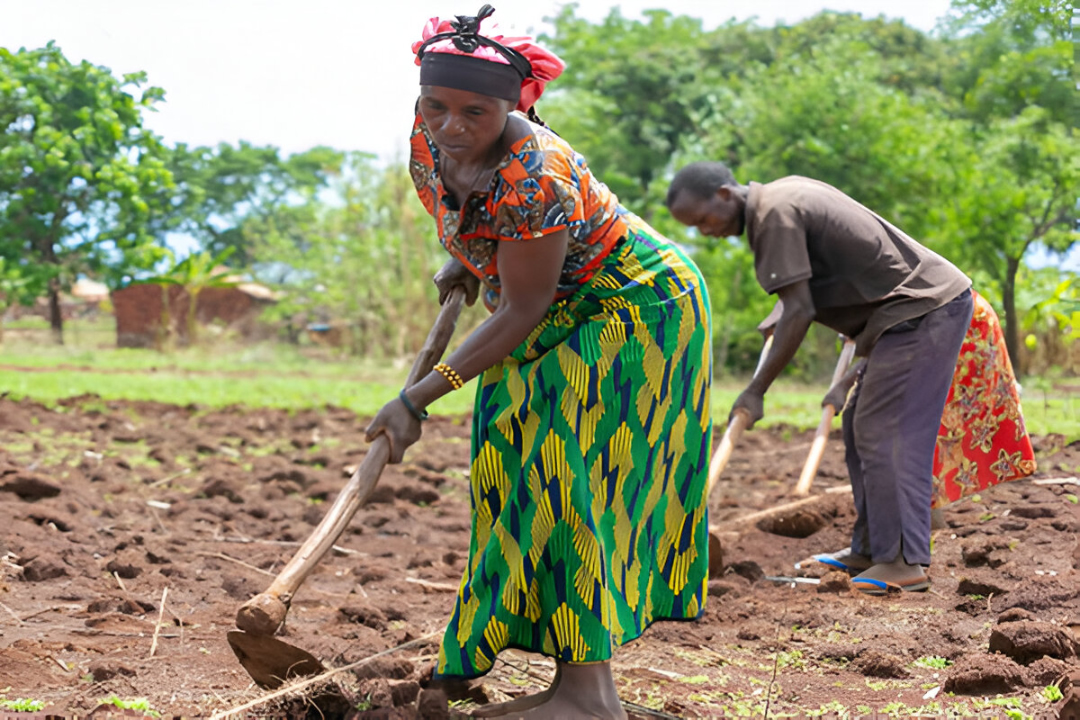
Farming and food help the poor through increased income from jobs, more affordable food, and improved food security. Strategies include sustainable farming, urban agriculture, and connecting farmers to markets, as well as providing direct food assistance to those in need.
Tatu Foundation we know very well that Agricultural growth is one of the most effective ways to reduce poverty, especially in rural areas where a large portion of the world's poor live and work.
How farming helps the poor
Job creation:
Farming, including urban agriculture, creates jobs for harvesting, caring for crops, and selling produce, which provides livelihoods for families.
Increased income:
Agricultural sector is one of the most effective ways to reduce poverty, especially in rural areas where a large portion of the world's poor live and work.
Poverty reduction:
Growth in the agriculture sector has been shown to be more effective at reducing poverty than growth in many other sectors.
Economic development:
Job creation and increased income in the agricultural sector can fuel the local economy, leading to even more opportunities.
Direct assistance:
We provide food assistance to people in crisis and those experiencing emergencies.
Community support:
Donating food to local food banks helps support vulnerable groups and fosters community bonds.
Nutritional support:
Programs can provide supplementary food for vulnerable groups like newborns and nursing mothers, who have unique nutritional needs.
Sustainable practices:
Implementing sustainable techniques like organic farming, agroforestry, and permaculture can improve long-term yields and environmental health.
Infrastructure and resource management:
Building better irrigation systems, managing water access, and improving soil health are crucial for increasing productivity.
Market access:
Connecting farmers to local communities and markets allows them to sell their products and earn a consistent income.
Urban farming:
Developing urban agriculture programs can provide jobs and affordable, fresh food in cities.
Policy and training:
Supporting family farmers through policy changes, training programs, and financial incentives can increase their capacity and participation in decision-making.